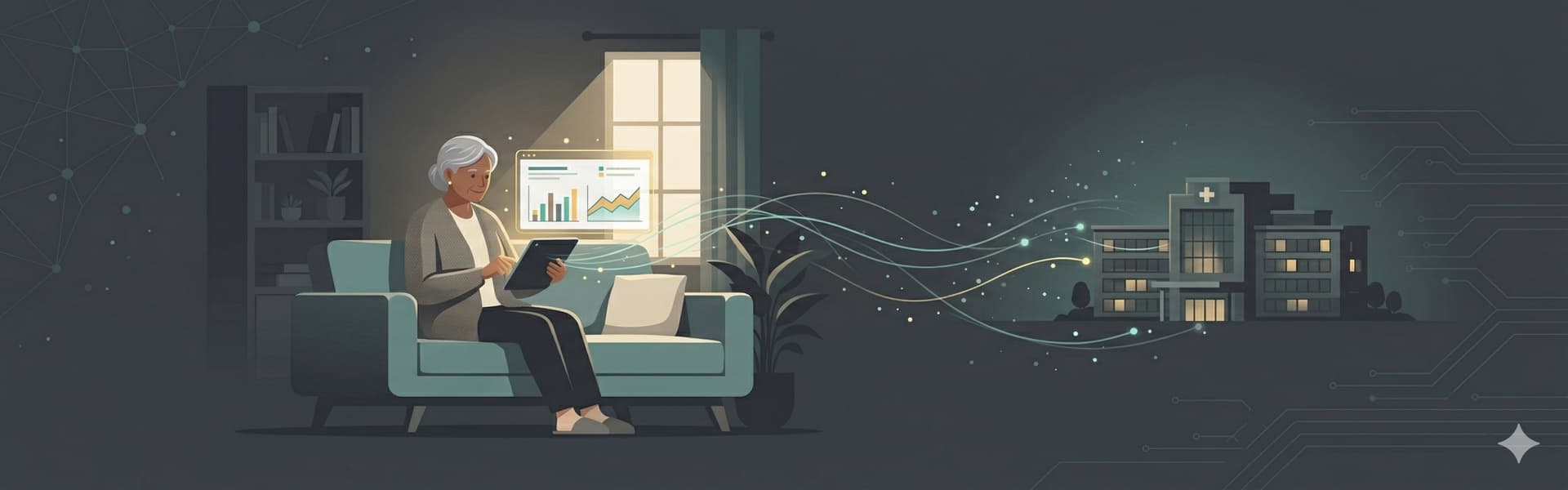
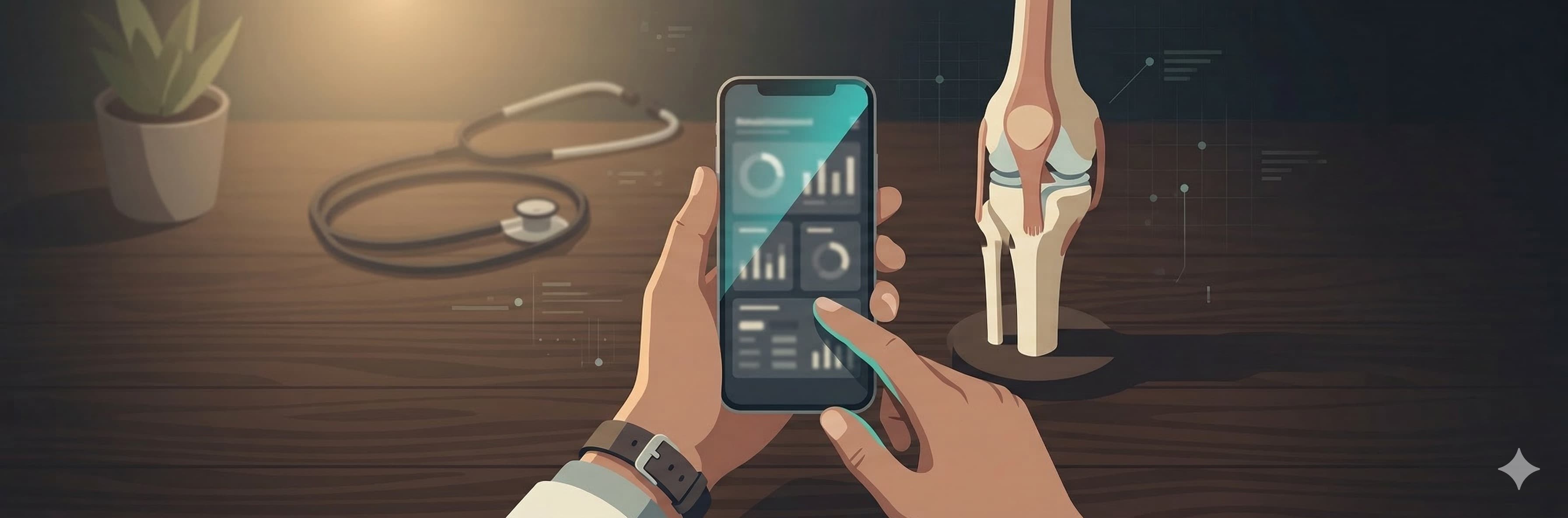
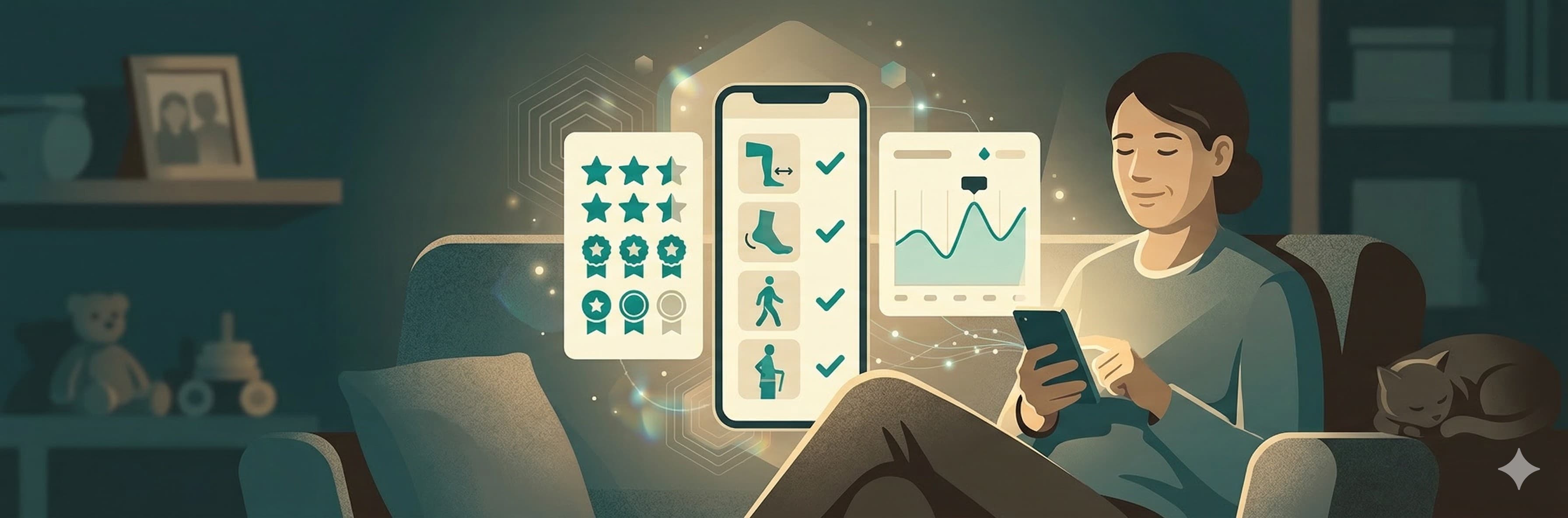
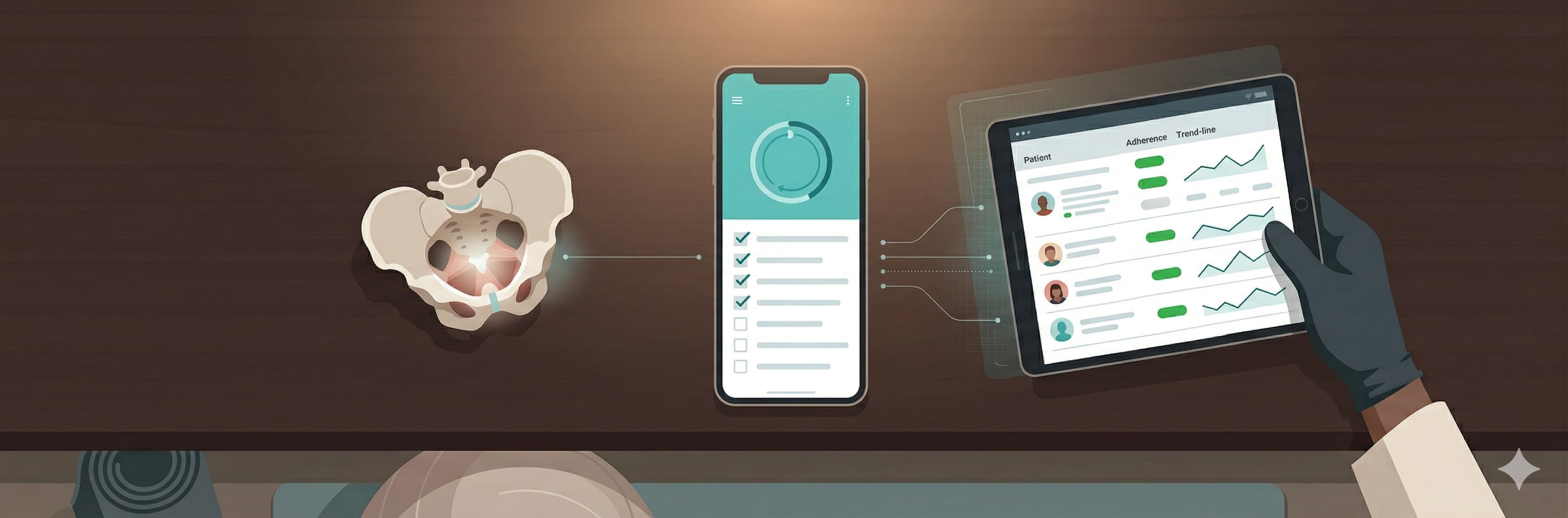
A three-minute video that follows one patient through iRehab: organizing symptoms in their own language before the visit, keeping the consultation focused on what matters, recording physician-assigned exercises at home, and letting family see how recovery is going.
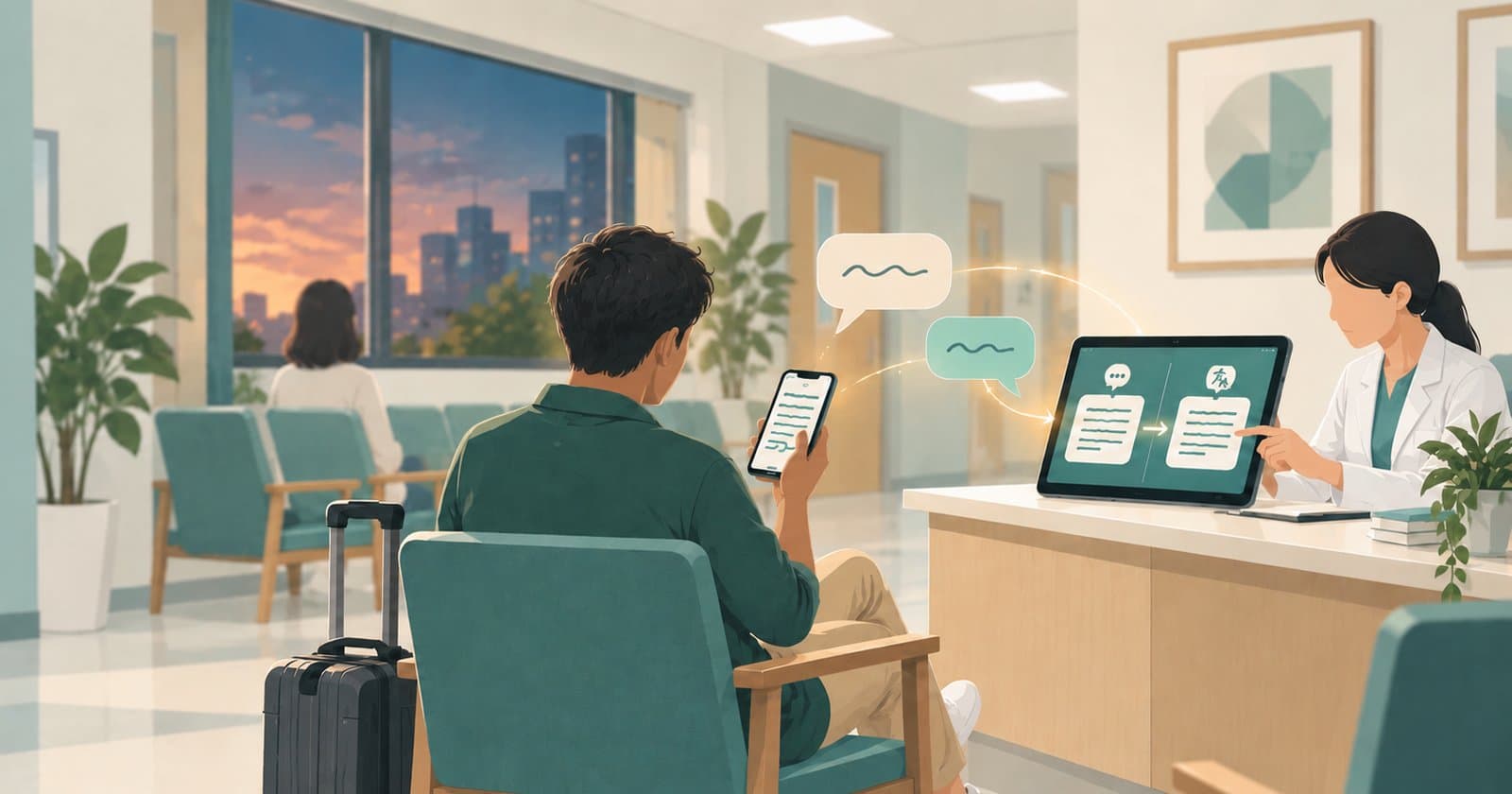
A Spanish-speaking visitor from South America, in Taiwan on business, filled out his Brief in Spanish before walking into clinic. One tap later the doctor was reading it in Chinese — and not a word of what the patient wrote had been changed. How iRehab Brief handles language: a human-reviewed multilingual question bank, translation the doctor chooses to run, and the patient's own words always kept — plus the things we deliberately don't do.
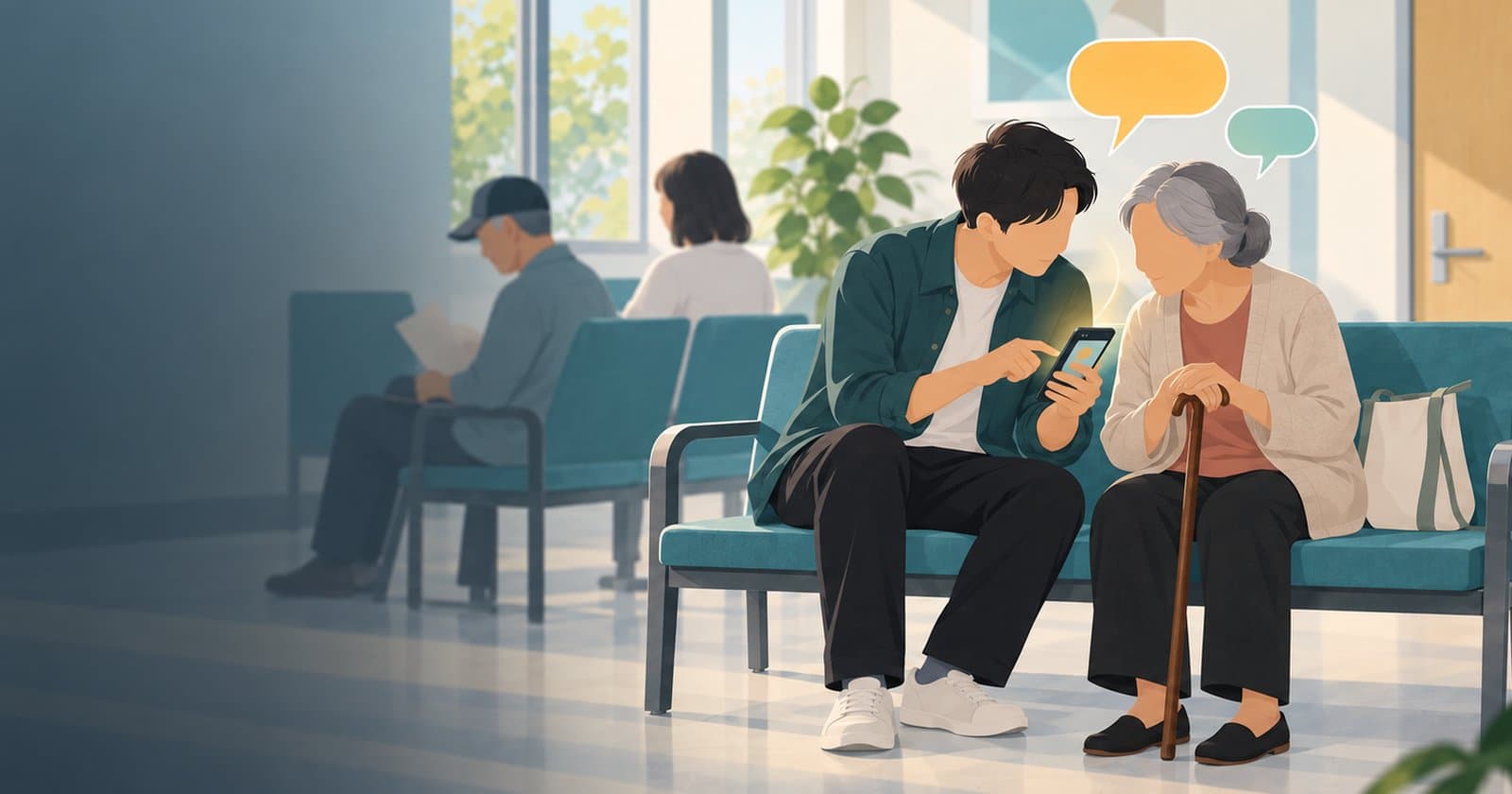
Brief was built to solve a doctor's problem: let patients say what matters most, in their own words, before the visit. But in clinic we kept seeing the same scene: the one holding the phone was a grandchild who had come with an older patient. This piece is about what that scene made us rethink, and where Brief goes next.
Medical records still have no LinkedIn-equivalent. The reason is not technology alone, but three structural barriers — verification cost, liability, and network formation — that are causally linked. Post-acute recovery data may be the wedge that finally changes where the canonical record lives.
When 'data follows the patient' becomes industry rhetoric, the right question isn't who owns the data — it's who makes it continuous. A Taiwan-grounded thesis after a four-platform afternoon.
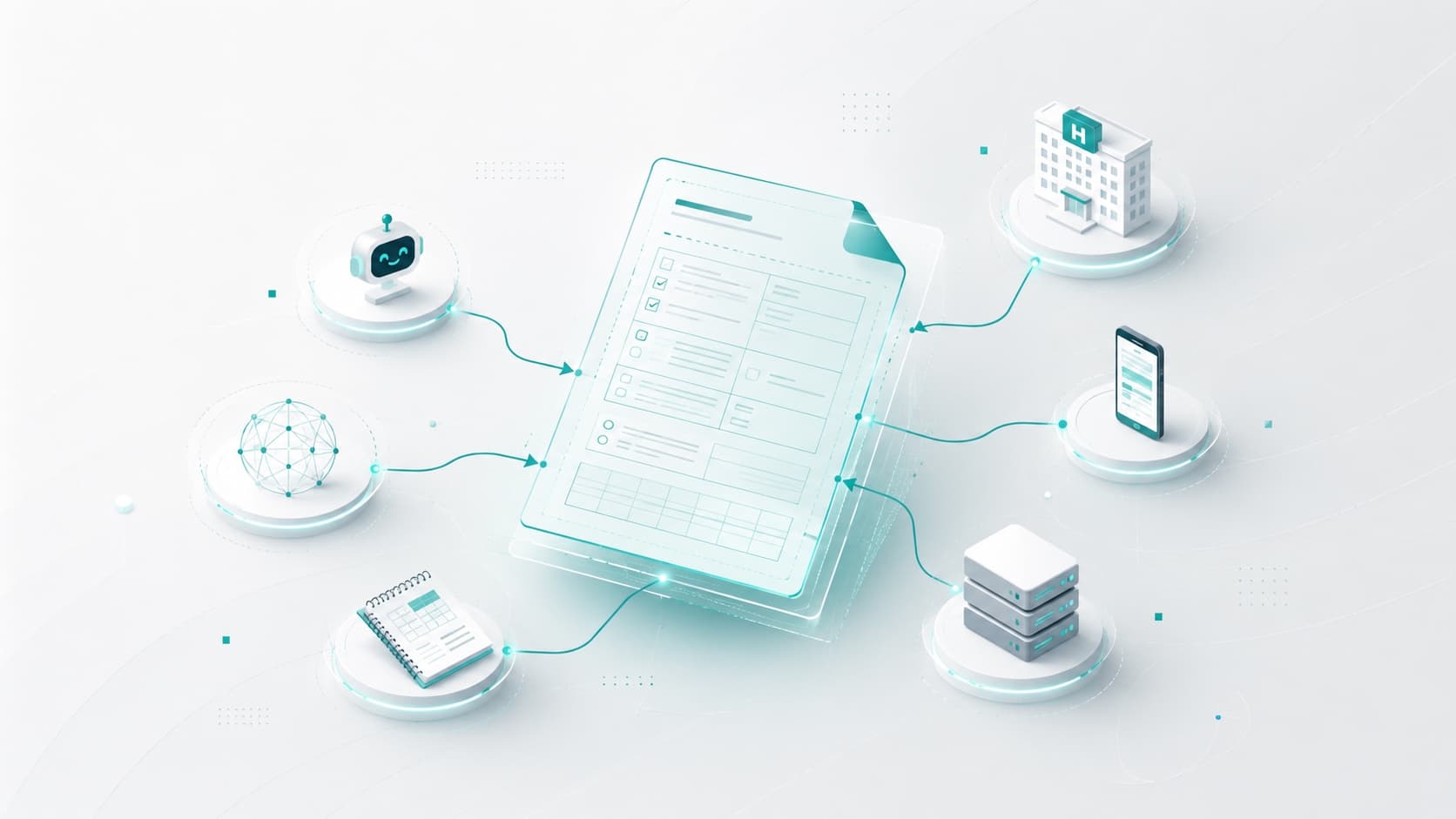
iRehab Brief Schema v0.1 went public today. It defines 'how to author a structured pre-consult symptom questionnaire' — not a product, not a platform, not a medical device. Just a structured blueprint. This piece records how we walked from a stakeholder mapping exercise to the conclusion 'format can be open, logic stays closed forever' — why we picked Apache-2.0 + CC BY 4.0 dual licensing, why Republic of China (Taiwan) law as the governing law, what 26 lawyer-confirmed pre-draft conclusions signal to integrators, and finally a direct workflow for clinicians: hand the GitHub URL to your AI assistant and have it design a specialty-specific brief for your practice.
In a recent morning conference at a regional hospital, a senior attending physician asked us: 'Isn't design thinking outdated by now?' We hear that question more than once a year in the medtech space. Our answer: design thinking didn't fail in the last decade — it just ran too slowly. AI compresses the prototype-and-feedback loop from months to days, which is what design thinking has been quietly waiting for. This piece walks through our recent internal pivot — from a single-specialty pilot to a cross-specialty schema composer — to show why AI is not the replacement for design thinking. It's the tool design thinking has been waiting twenty years for.
Daily operations manual for front-desk and clinic assistant staff: pre-clinic checks, helping elderly patients and foreign caregivers, rescuing stuck forms, four doctor-collaboration scenarios, and six common questions.
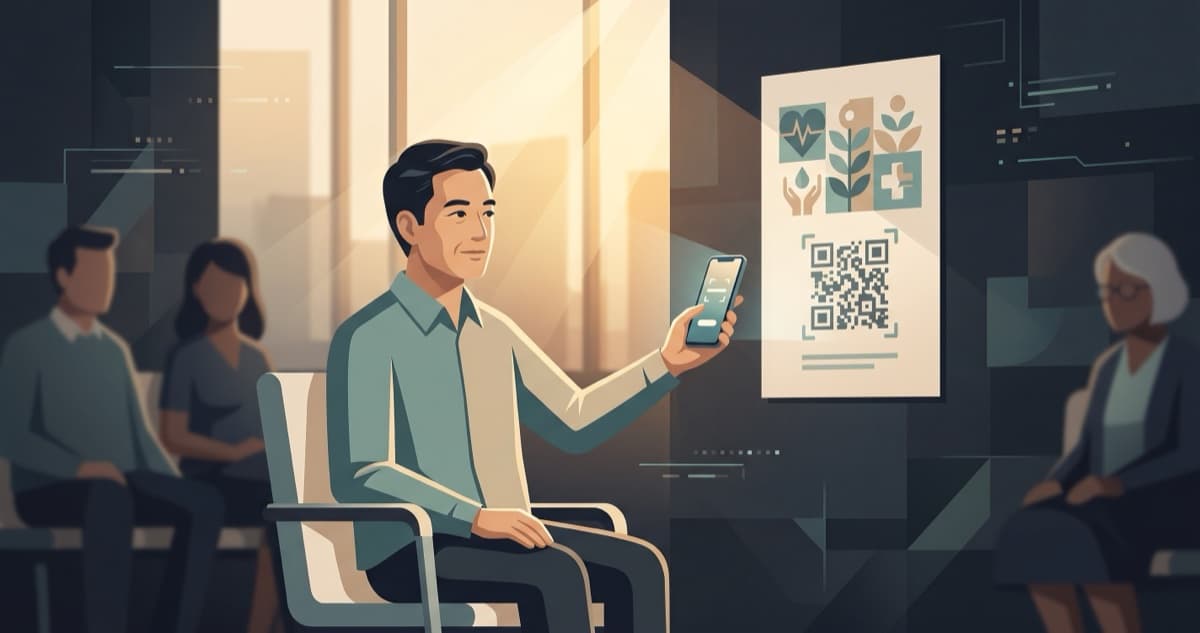
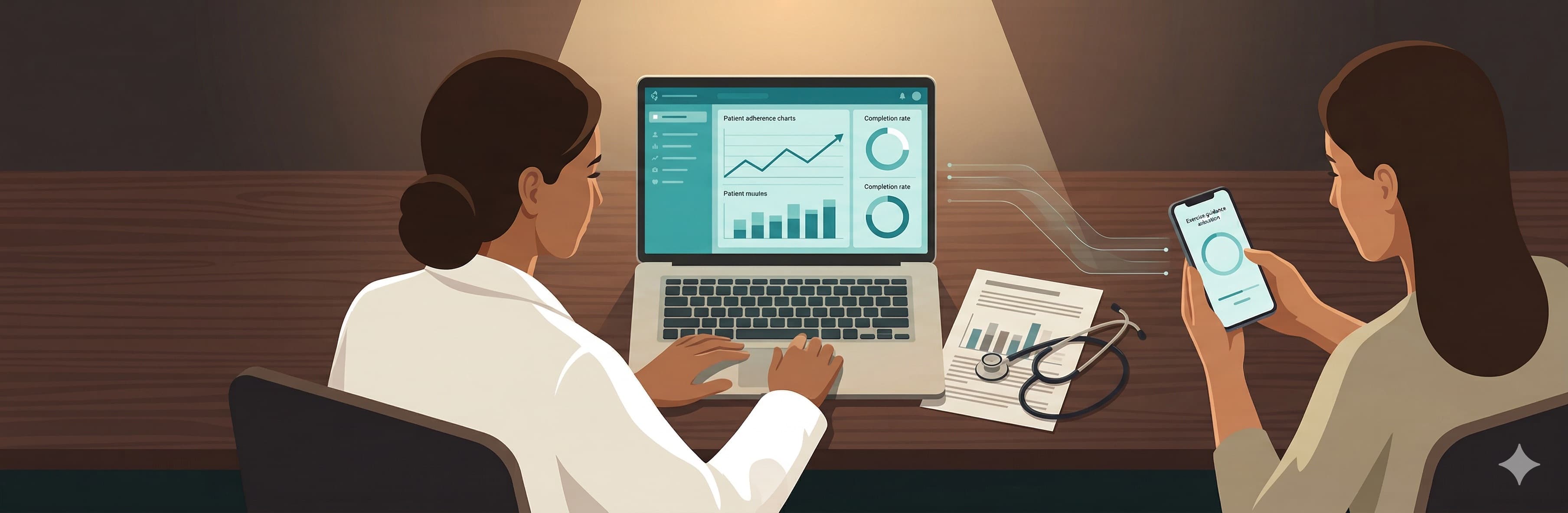
The doctor's guide to iRehab's Brief feature — printing the QR poster, reading the Brief queue, choosing the right closing option, recovering a missed record with the confirmation code, and six FAQs. Why we built it: so more of your time goes to the patient, not the keyboard.
You walked into the clinic and saw a QR Code poster, but you're not sure what to do. This guide walks you through the 2-3 minute Brief, why your confirmation code matters, and what to do if scanning or filling goes wrong. You're not filling it to add paperwork — you're filling it so the doctor can spend more time with you.
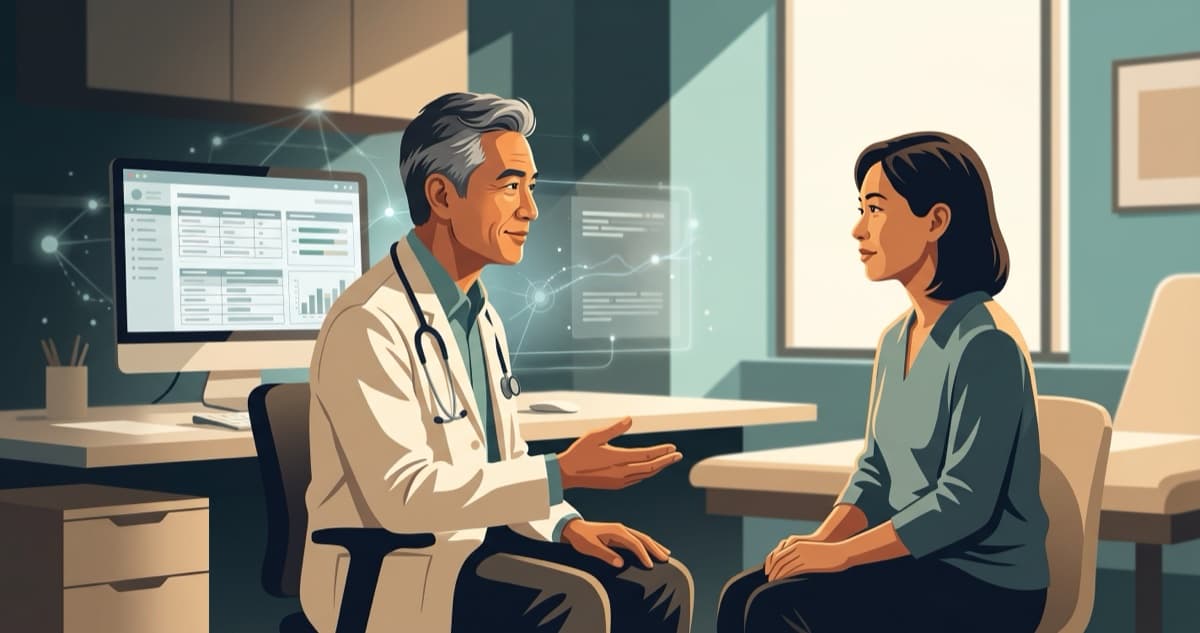
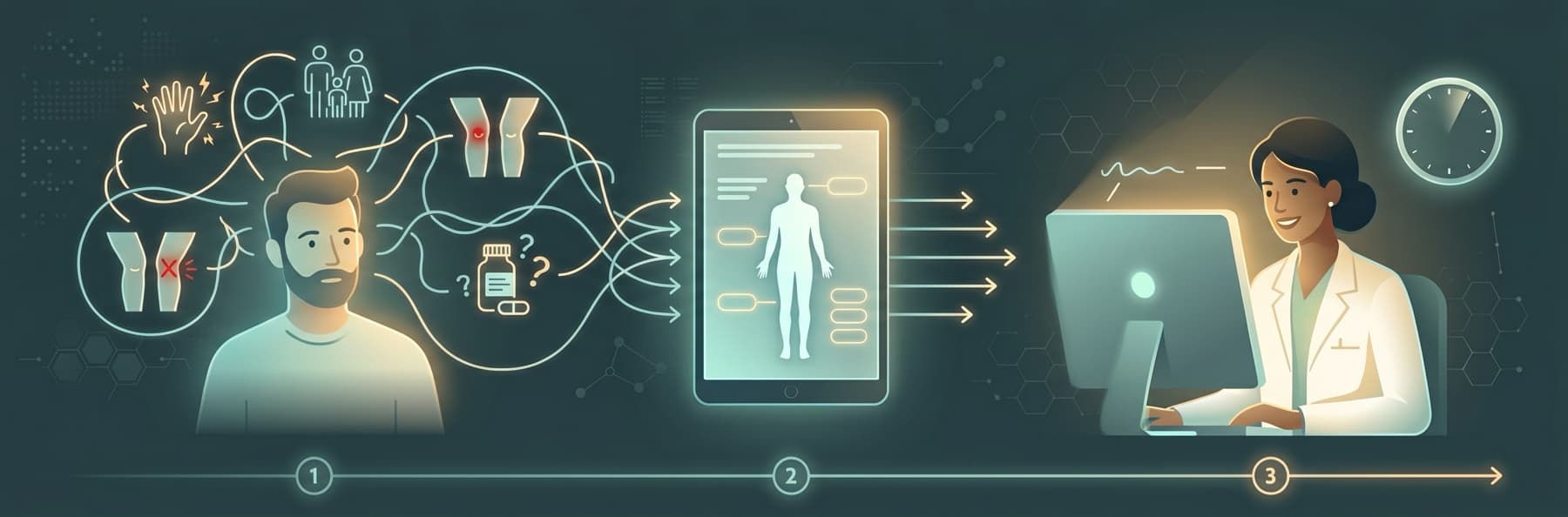
Most clinical AI demos feature the tidy post-op patient with weeks of longitudinal data. The clinic-reality majority are first visits: no history in the system, a single verbal complaint, and roughly 60–70% with no surgical need. This post is about what iRehab calls the pre-visit Brief — the short, structured summary that lands on the physician's screen before the patient sits down — and why its central design constraint is that the patient cannot answer 'is it tendon or nerve?'
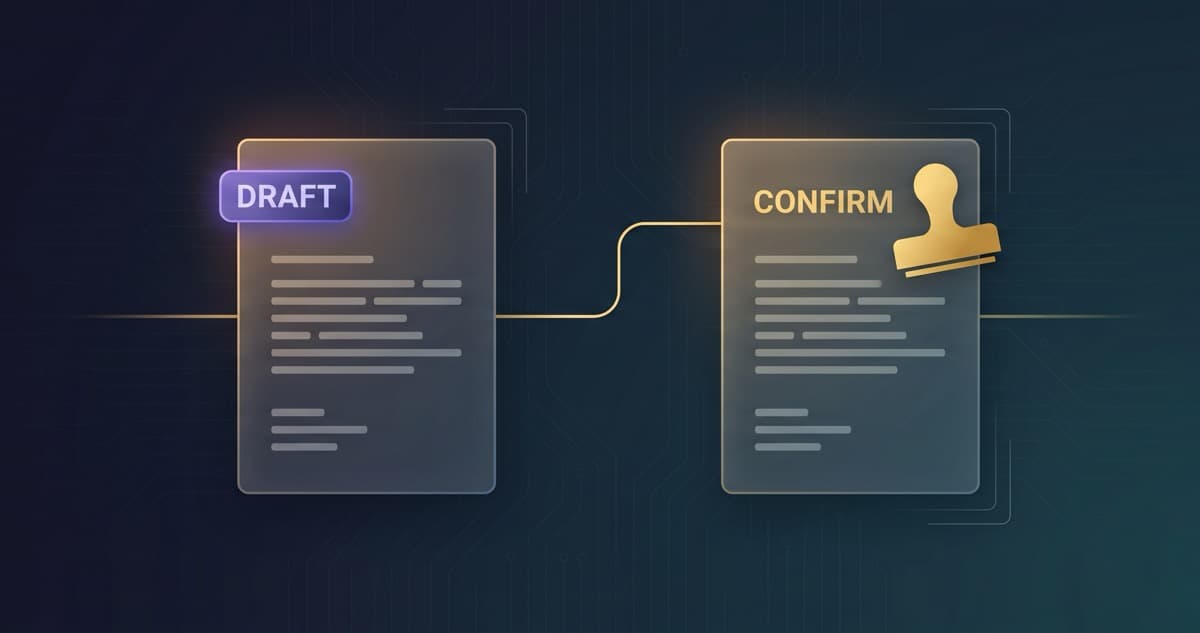
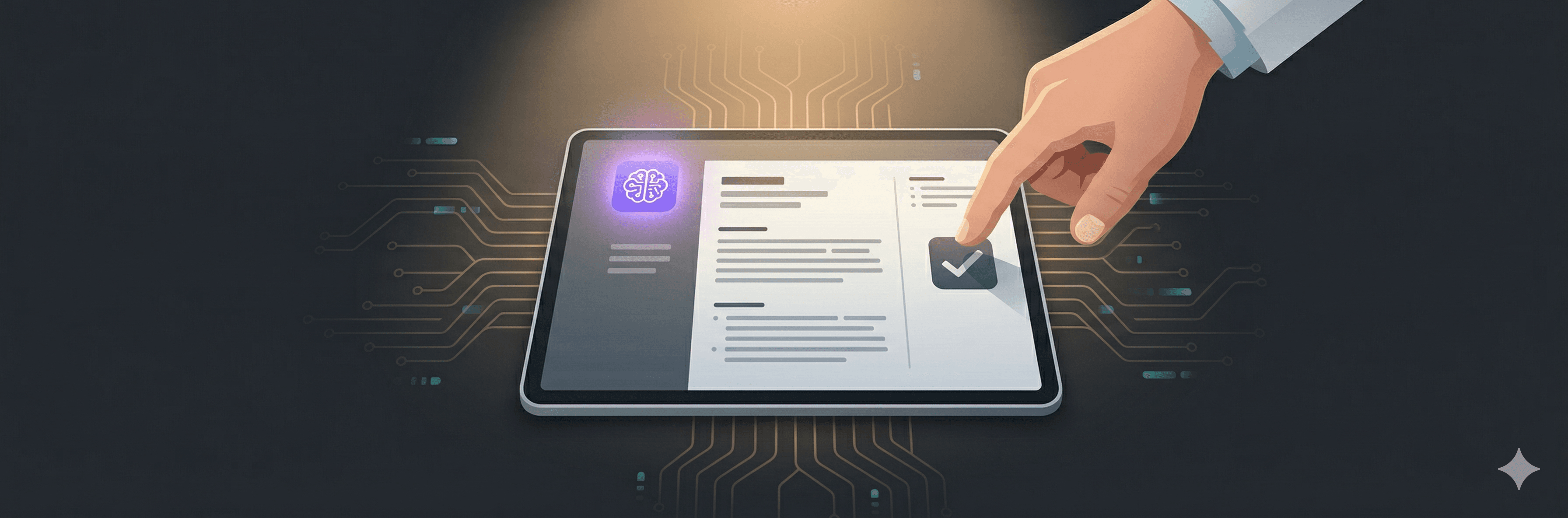
Most medical AI is heading toward end-to-end automation. iRehab goes the other way. Physicians don't need AI to finish their paperwork — they need it to translate two weeks of patient-reported data into a specialty-relevant summary in the two minutes before the patient sits down. Draft-Only Enforcement is the guardrail that keeps the translator honest.
iRehab doesn't embed AI in the app. It lets patients bring their own AI to understand their rehab progress. Why? Because the family is the unit of recovery, and AI's value isn't diagnosis — it's translation.
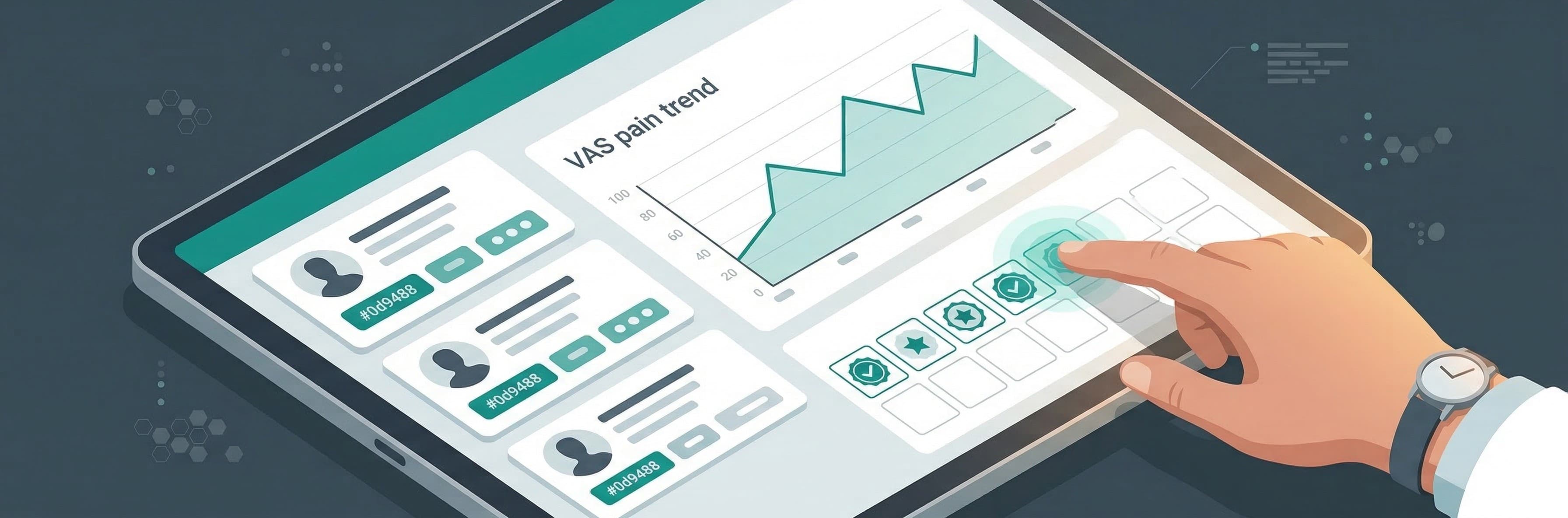
Instead of hearing 'it still hurts' at follow-up, have patients track their pain daily. Post-surgical pain tracking works not as placebo, but through three complementary mechanisms: perceived control, anti-catastrophizing, and expectation reframing.
New 2026 CMS RTM codes slash the monitoring threshold from 16 days to just 2. CPT 98985 pays $51 for MSK monitoring, plus $26 for treatment management. Here's exactly how orthopedic practices can bill for post-TKA remote monitoring.
Three months into CMS TEAM, 741 hospitals face patient attribution gaps, fuzzy PCP referral mandates, and rural care coordination failures. These implementation pain points reveal exactly where post-surgical monitoring platforms fit.
A new meta-analysis of 25 RCTs and 4,402 patients finds telerehab significantly outperforms traditional rehabilitation in pain, ROM, quadriceps strength, and cost after TKA. The evidence has shifted.
New data from AAOS 2026 validates remote therapeutic monitoring after TKA in geriatric populations: no increase in complications, lower costs, and successful deployment at scale. Here's what it means for orthopedic practice.
Evaluate, Prescribe, Exercise, Re-evaluate. An open rehabilitation methodology that any doctor, PT, or clinic can use for free.
iRehab Doctor AI Phase 2 lets AI draft clinical assessments, but never auto-publish. Why we chose draft-only enforcement over full autonomy, and what it means for the future of AI in orthopedic practice.
Full guide to Doctor PWA features: patient management, assessments, prescriptions, surgical records (§A-§D), PROM auto-scheduling (19 instruments), dual-version e-consent, selfpay dashboard, Doctor AI drafts, completion cards, the stamp book, progress-share cards, push notifications, API tokens, and data export.
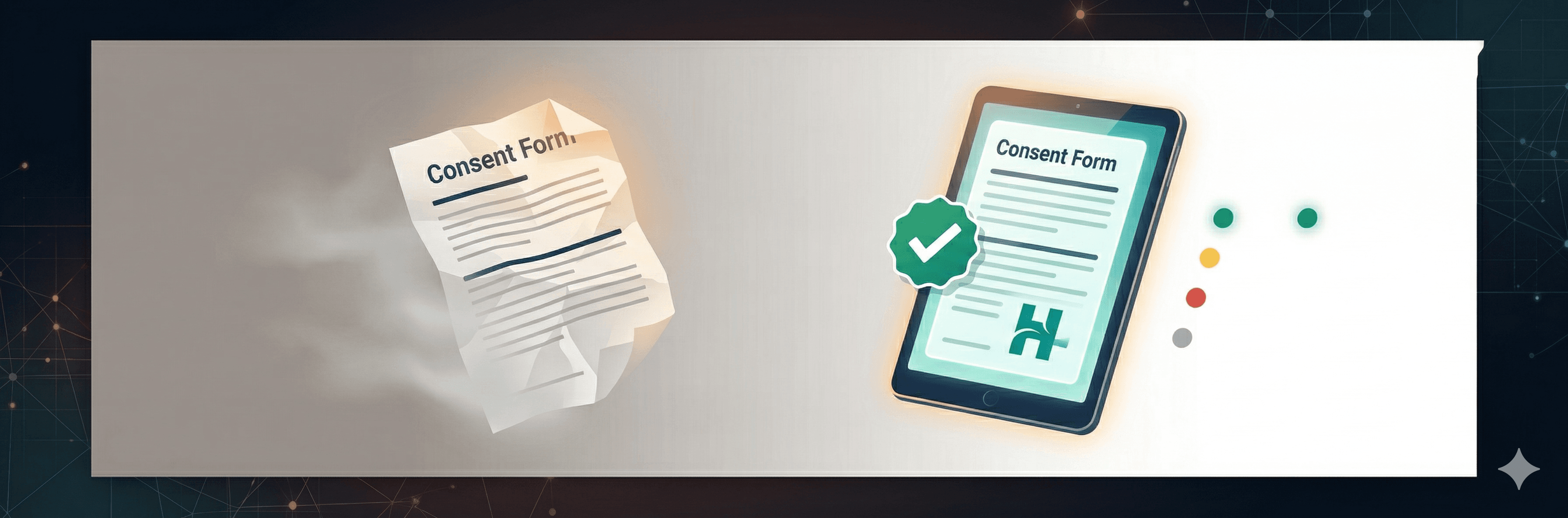
Paper consent forms get lost, version-controlled poorly, and can't track withdrawals. How iRehab's dual-version e-consent platform and white-label theming system solve these problems for orthopedic clinical research.
Complete setup guide for iRehab: doctor registration, patient creation, exercise prescriptions, and rehab tracking. Get your first TKA patient started with home rehabilitation in 10 minutes.
Full guide to the iRehab Patient PWA: daily tasks, exercises, pain reports, wound photos, stamp collection, progress cards, PROM questionnaires, push notifications, and offline use.
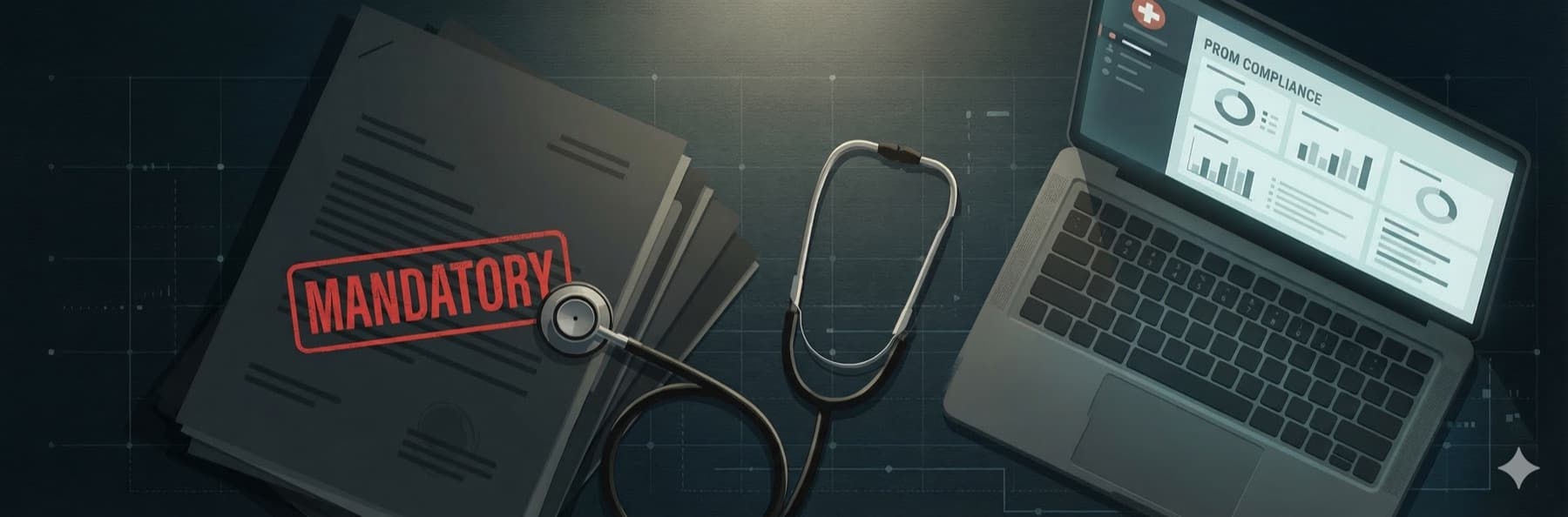
Only 25% of joint replacement patients complete functional outcome tracking at one year. CMS now mandates 50% collection by 2028 or face payment penalties. PROM isn't just a questionnaire — it's the compass that shows both surgeon and patient the full picture of recovery.
Pelvic floor training is more than 'do your Kegels.' iRehab includes 7 evidence-based pelvic floor exercises and 4 clinical programs covering pre-surgical training, post-incontinence surgery, post-prolapse repair, and non-surgical strengthening — all integrated into daily guided sessions on the patient's phone.
Approximately one-third of women worldwide are affected by pelvic floor dysfunction, yet fewer than 25% seek treatment. Pelvic floor muscle training (PFMT) is the first-line treatment, confirmed effective by Cochrane reviews — but long-term adherence remains poor. Mobile app-guided PFMT is changing the equation: RCTs show app groups significantly outperform traditional education in storage symptoms and quality of life improvement.
Sword Health acquires Kaia Health for $285M. Hinge Health IPOs at $3B with $588M revenue. The digital musculoskeletal market enters its consolidation phase. But when exercise libraries become commodities, what actually constitutes a defensible position?
In January 2026, CMS launched TEAM — the first mandatory bundled payment model covering joint replacement and spinal fusion. 741 US hospitals must collect PROM and manage complications within a 30-day episode, with zero infrastructure funding. What's the policy signal for orthopedics in Taiwan?
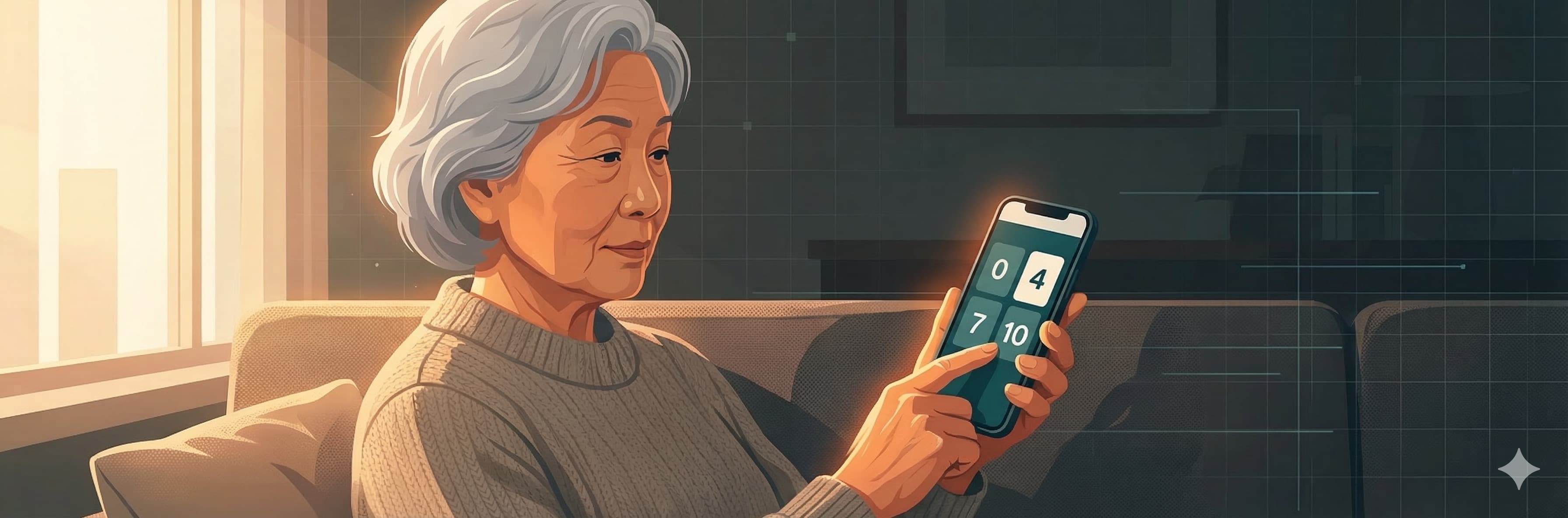
Most health apps are designed by 30-year-olds for 30-year-olds. Post-surgical rehabilitation patients are typically 65-80. We redesigned every interaction around one constraint: if it takes more than 30 seconds, they won't do it.
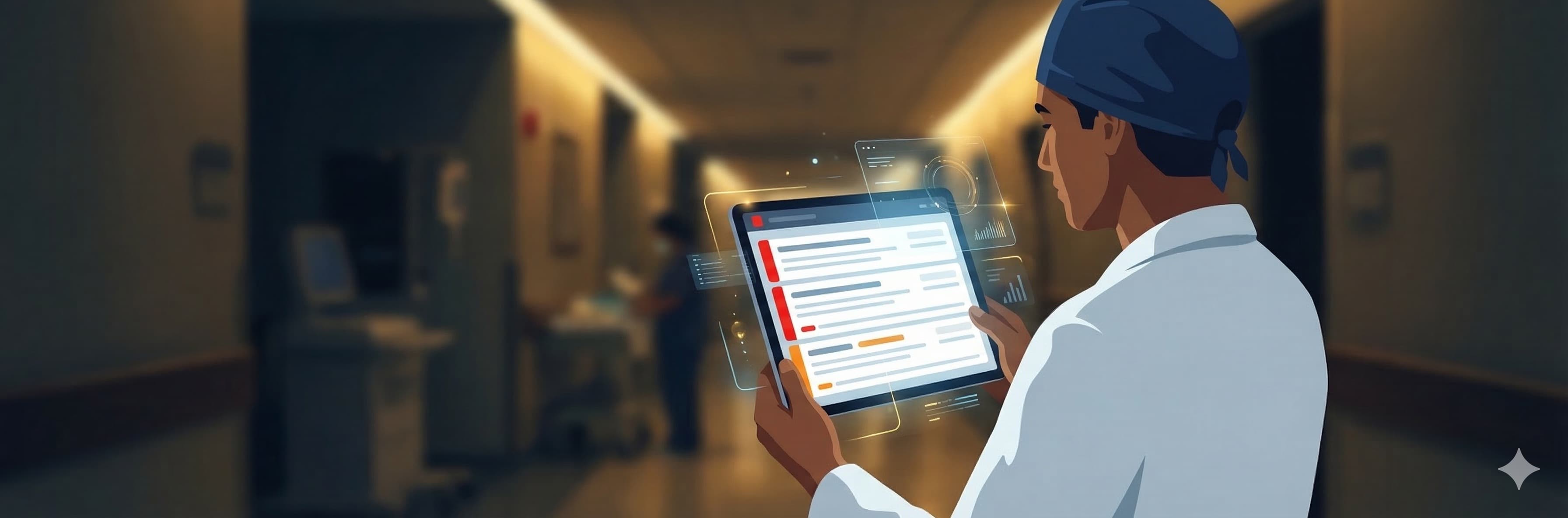
Remote patient monitoring generates data. The hard part is turning that data into timely clinical action. Most alert systems either drown surgeons in noise or miss the signals that matter. We built iRehab's alert system around one question: which 3 patients out of 30 need attention right now?
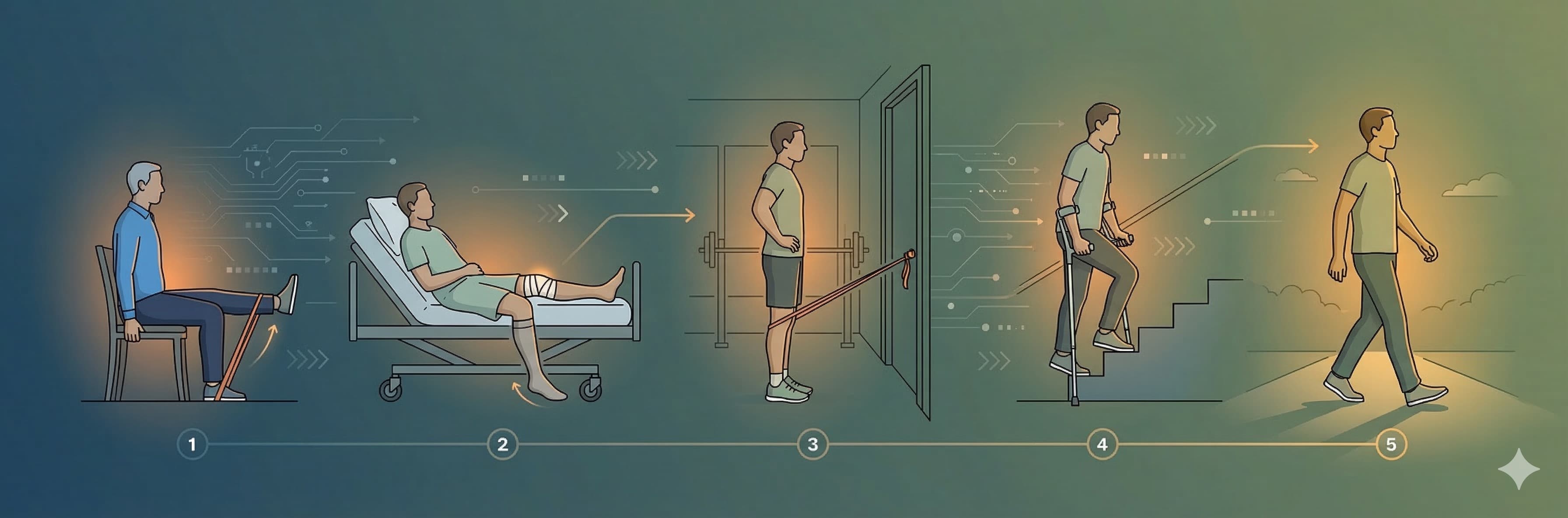
Rehabilitation protocols exist in textbooks, but most patients never follow one consistently. We built a system that encodes 5 clinical phases into a daily adaptive routine — and gives surgeons a reason to trust what happens after discharge.
Over 60% of total knee replacements in the US are now same-day discharge — up to 80-99% at select ASCs. CMS is phasing out the inpatient-only list by 2029. In a Danish randomized trial, 15 of 16 knee-replacement patients recovering in an ambulatory surgery center went home the same day. Hospital stays dropped from 5 days to near zero — but who fills the 90-day monitoring gap?
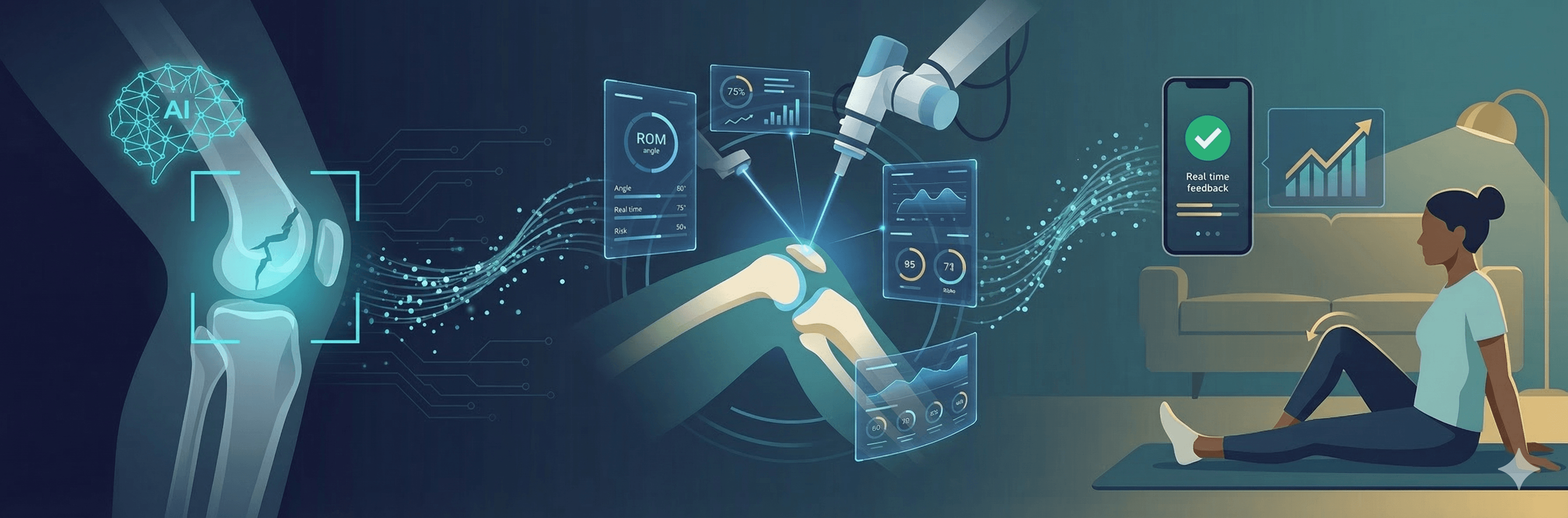
In 2025, the FDA cleared a record 295 AI medical devices. Fracture detection hits 98% accuracy. ML models predict TKA dissatisfaction before surgery (AUC 0.888). But the real AI battleground in orthopedics isn't the operating room — it's the 90 days after discharge.
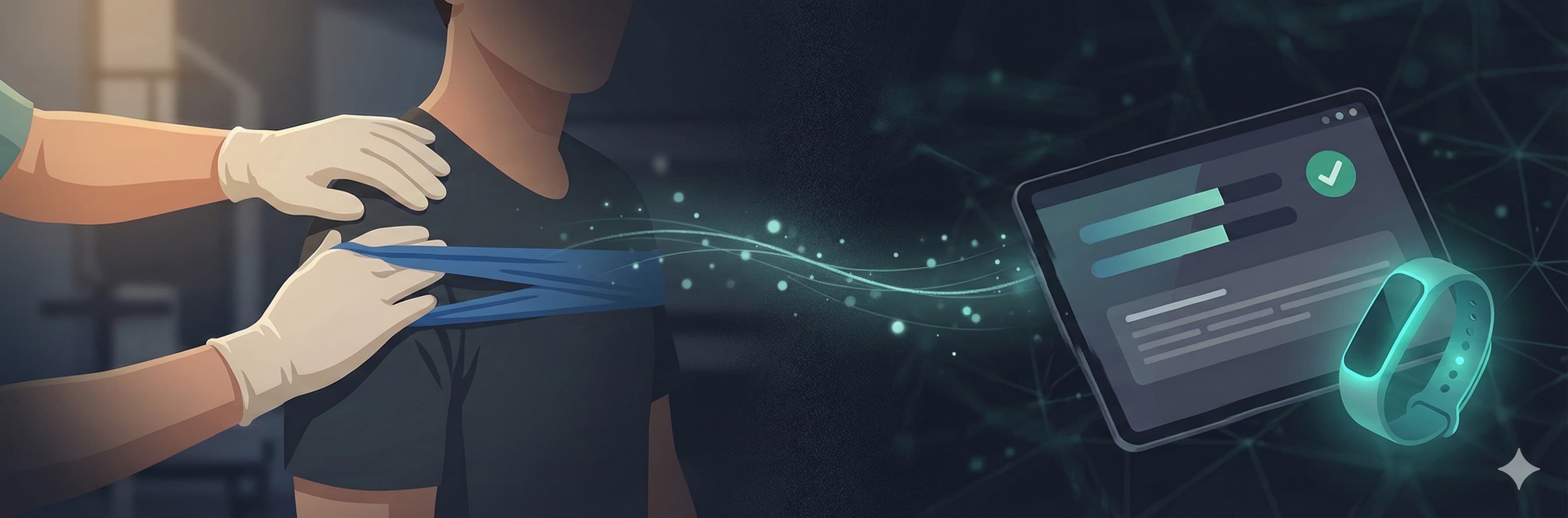
Remote monitoring after orthopedic surgery works — 92% of patients find it easy to use, and data compliance far exceeds questionnaires. But most patients don't want pure digital care. They want a hybrid model that extends their surgeon's reach into every day of recovery.